
01
Name the base
Noodles, rice, a salad, a sandwich, a whole fish on a plate. The base is the easiest word to find again, because it usually turns up in a dish title or a section heading rather than buried in a description.
Start from the dish
Whatever you are actually hungry for is the thing to search with. Not a score out of five, not a top ten, not a badge somebody handed out two years ago.
Think in dish names, in cooking styles, in textures, or in the section of a menu you would flick to first. Those few words travel with you onto real menus from very different venues, where you can watch how each kitchen writes that idea onto its own page.
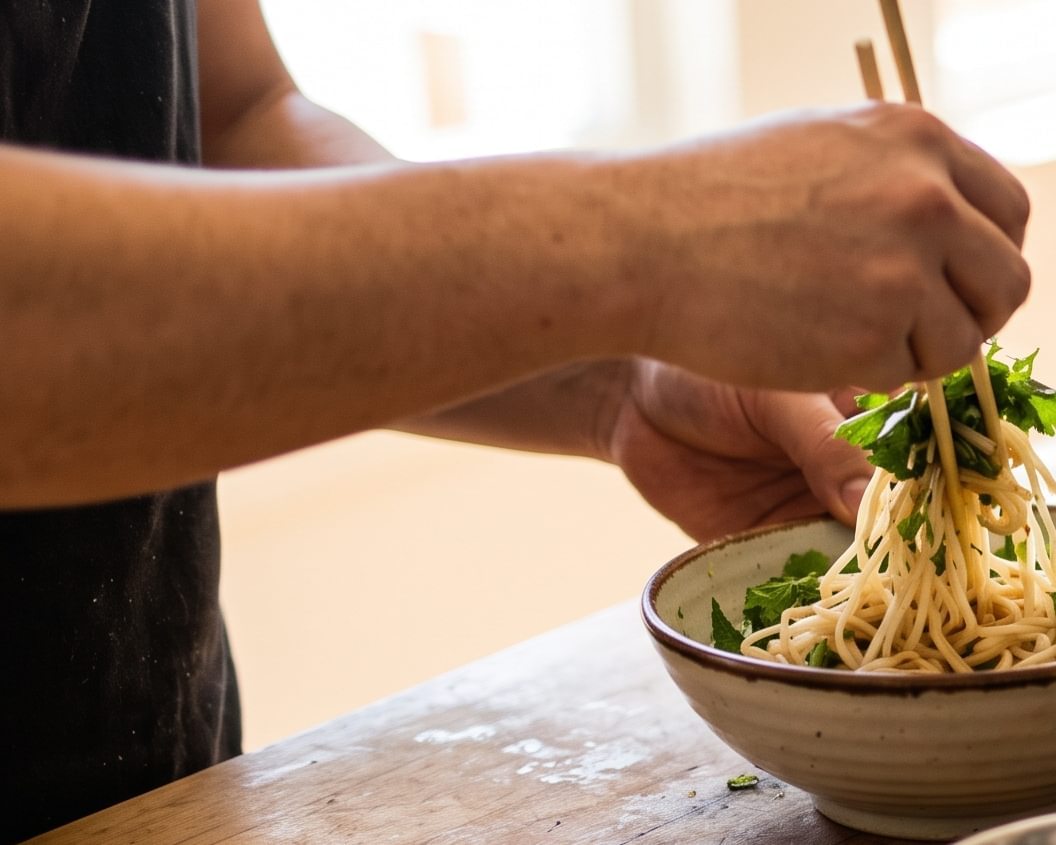
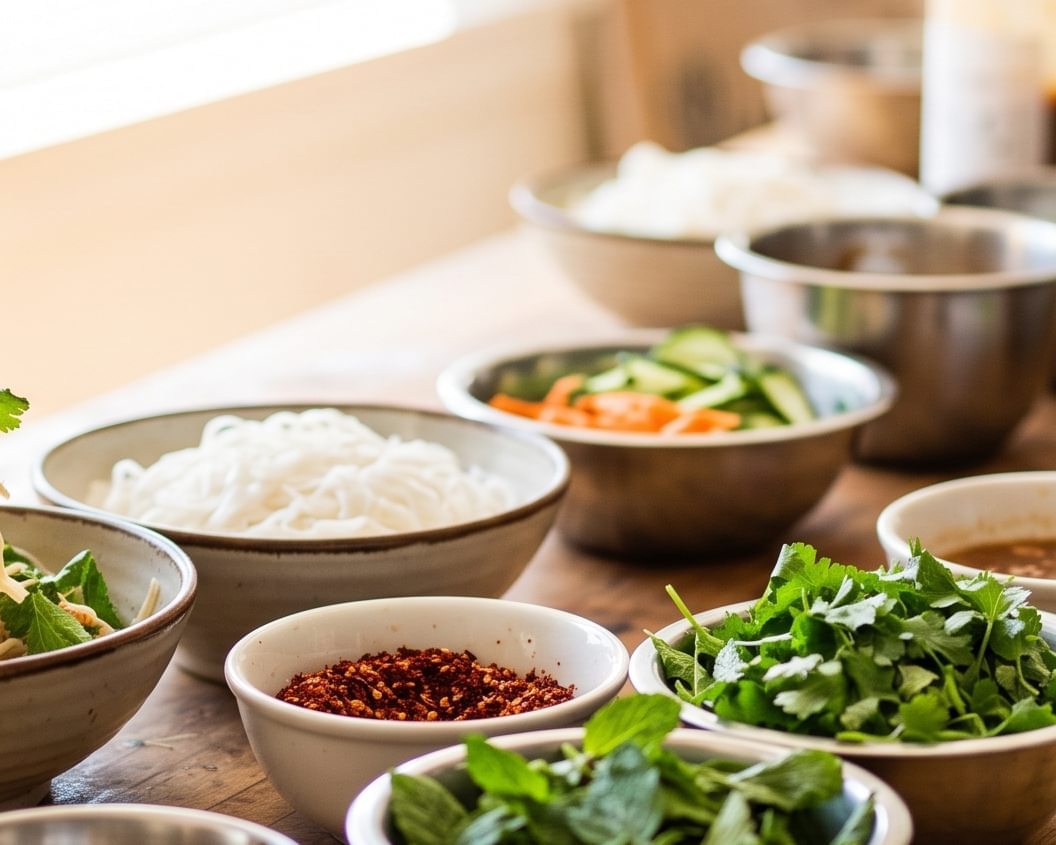
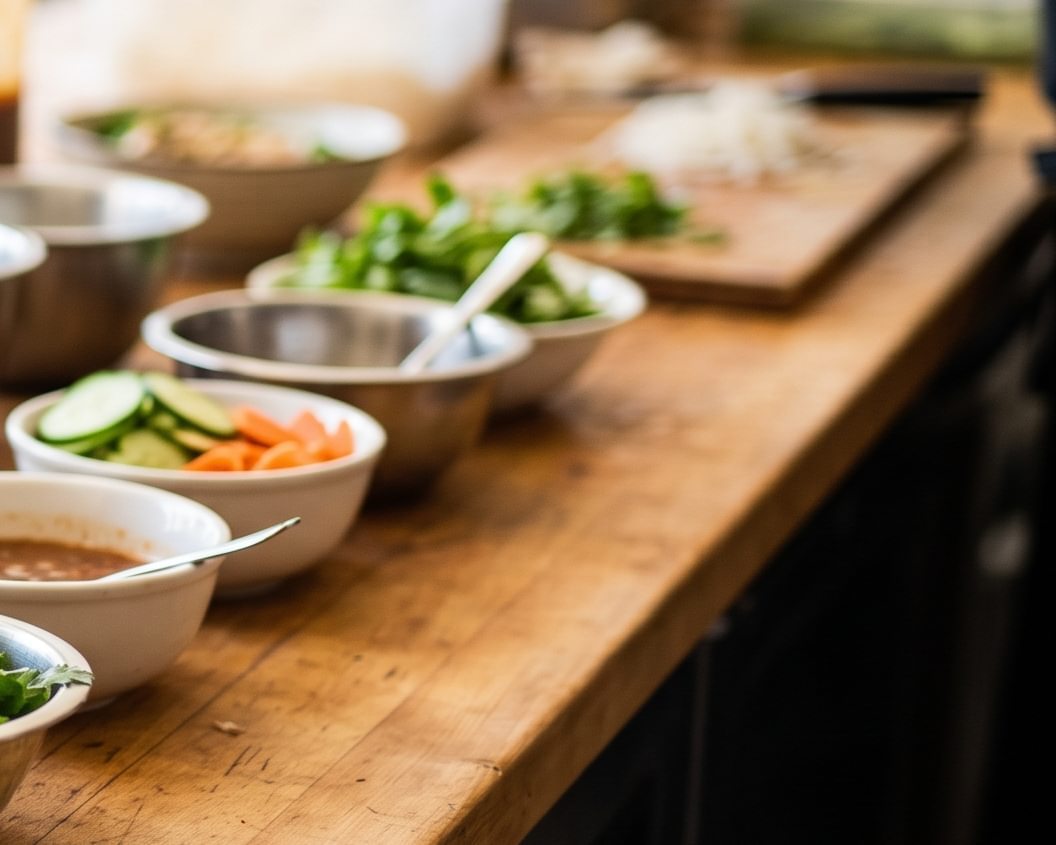
Reading several menus beside each other is the entire point. You are watching how a handful of kitchens hold one idea, not deciding which of them wins. Nobody is crowned here, nothing is ranked, and no place climbs the page because it paid to.
Get the words right
This is a short guide to turning a feeling into words a menu can echo back at you. Sharper words are not about being fussy; they are about giving yourself something concrete to look for once the page is open.
01
Noodles, rice, a salad, a sandwich, a whole fish on a plate. The base is the easiest word to find again, because it usually turns up in a dish title or a section heading rather than buried in a description.
02
Cold, brothy, crisp, charred, soft enough to eat with a spoon. A feel is what separates two dishes that share a name, and it is the word most likely to appear in the long line somebody bothered to write.
03
Smoky, citrusy, sour, deeply savoury, sweet at the end. One note is plenty. Two make the craving specific; three usually mean you have started describing a particular dish you already ate somewhere else.
04
Keep the craving elastic enough that something you have never eaten can still be a true match. A craving held too tightly turns every unfamiliar dish into a compromise before you have read a word about it.
These are not categories
None of these words are fixed boxes, and this site does not pretend they map neatly onto how kitchens write. They exist so you can notice similar language when it shows up on a real menu, and so you can tell the difference between a dish that happens to share your word and one that was clearly built around it.
From the live list
These venues appear because their menus carry wording, sections or descriptive summaries linked to the craving idea you set. That is the whole of the connection, and it is worth checking yourself.
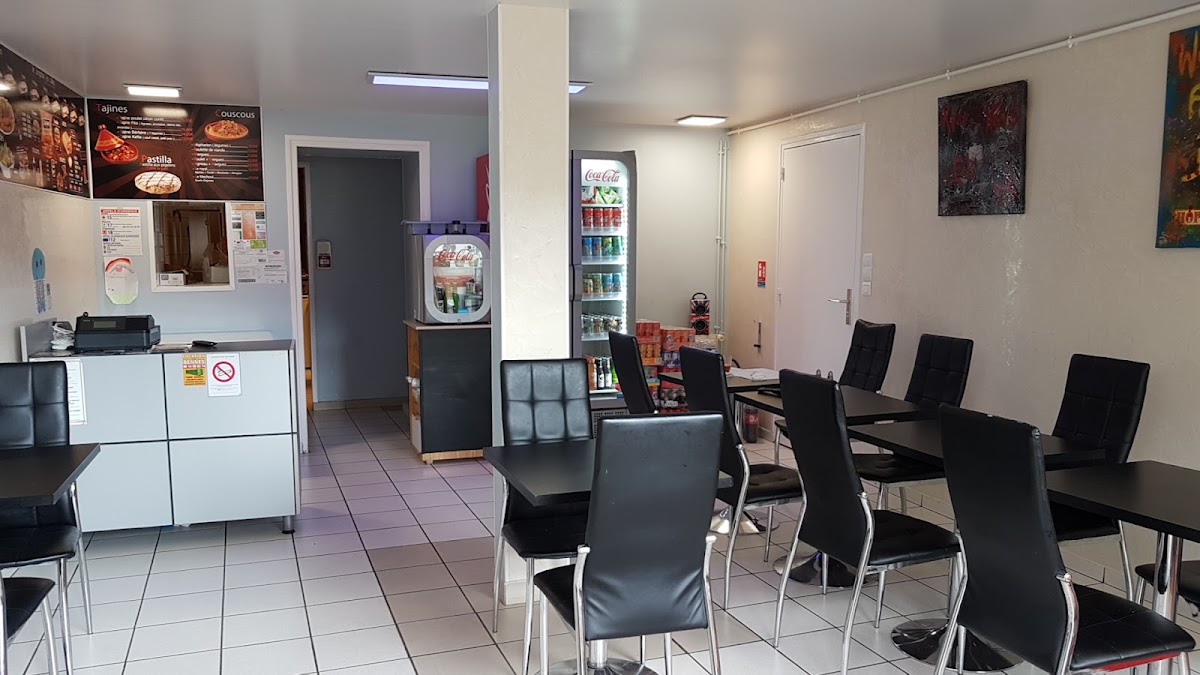
Fast Food Restaurant
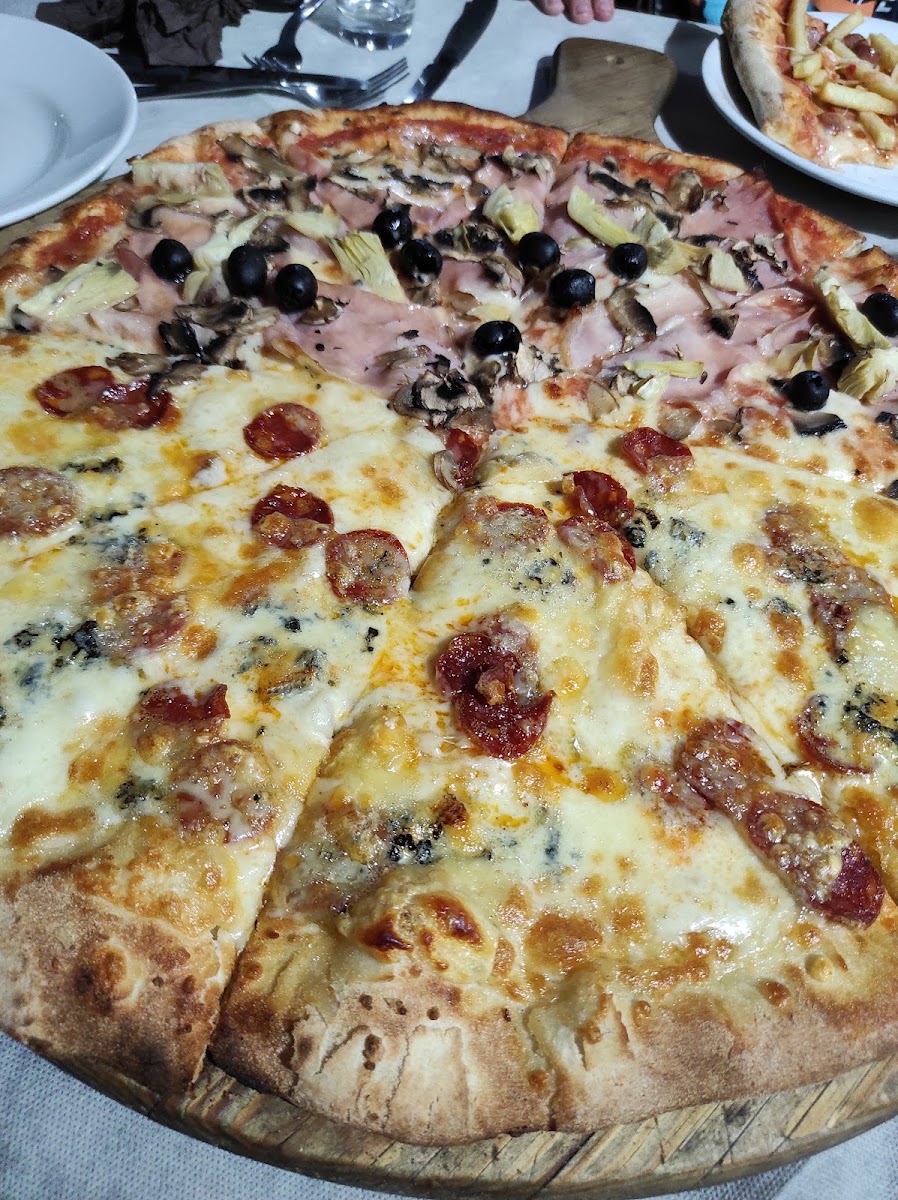
Explore diverse fast food options including tacos, burgers, and sandwiches at le comptoir des halles. The menu balances quick bites and hearty dishes suitable for lunch or dinner visits in Orgerus.
15 Pl. des Halles, 78910 Orgerus, France
Restaurant
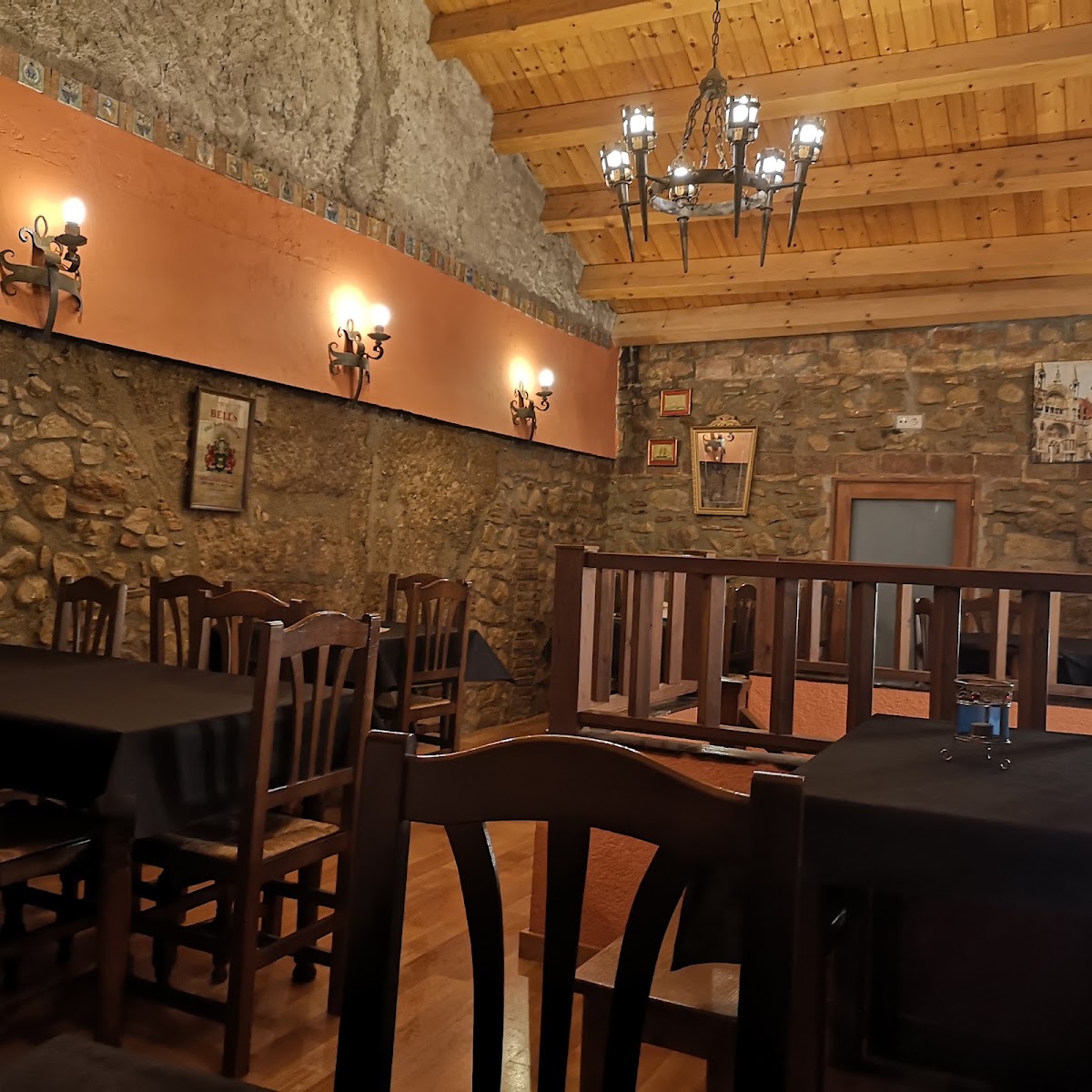
Explore seafood and Italian dishes focused on fresh pasta and classic flavors at Ristorante 'Castel D'or'. Enjoy options suitable for lunch, dinner, or a solo visit in a casual and cozy setting.
Via Provinciale, 49A, 87064 Corigliano-Rossano CS, Italy
Hamburger Restaurant
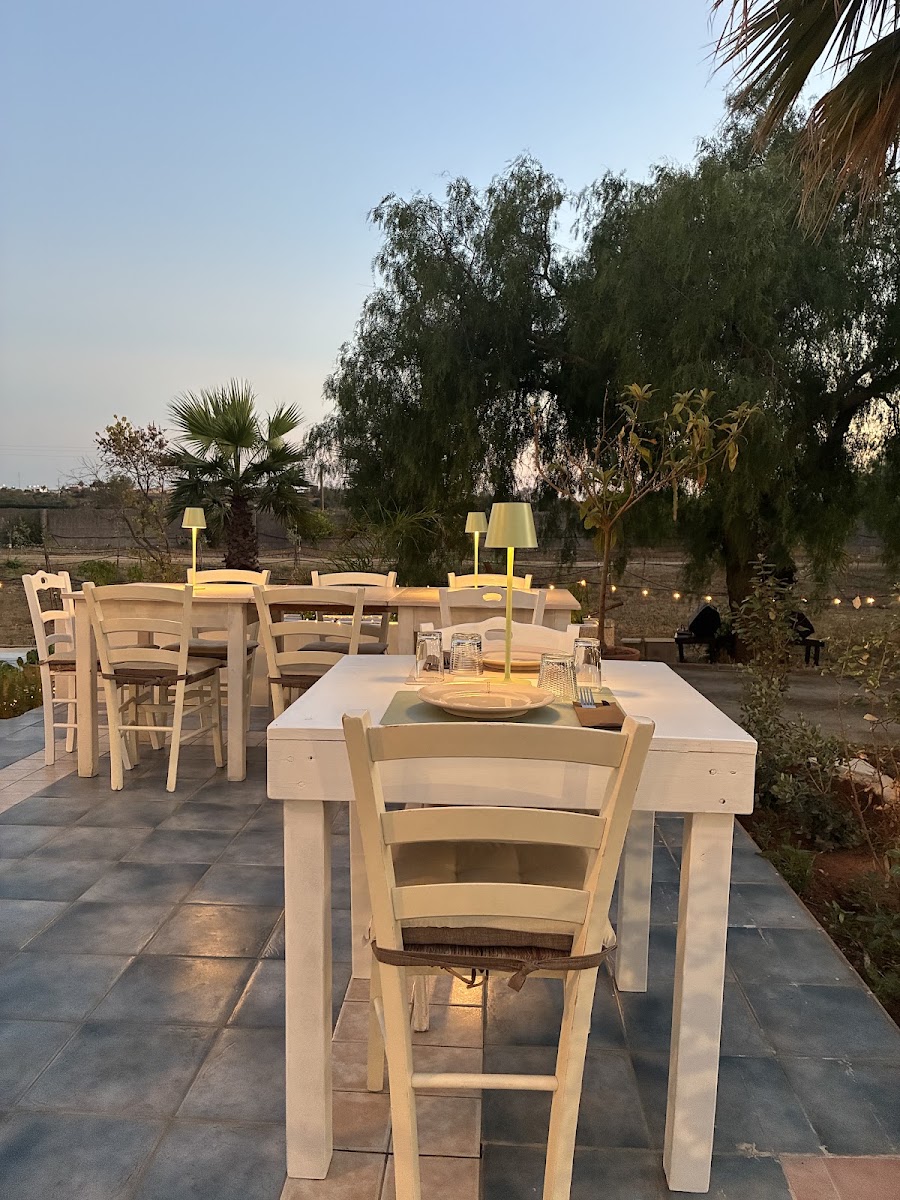
Bistro Wolperdinger offers hand-made hamburgers and German-style sausages infused with Bavarian and Catalan influences. Discover dishes like the signature "El" Wolperdinger and classic bratwurst alongside a well-curated beer selection in a cozy...
Plaça del Convent, 2, 17400 Breda, Girona, Spain
Restaurant
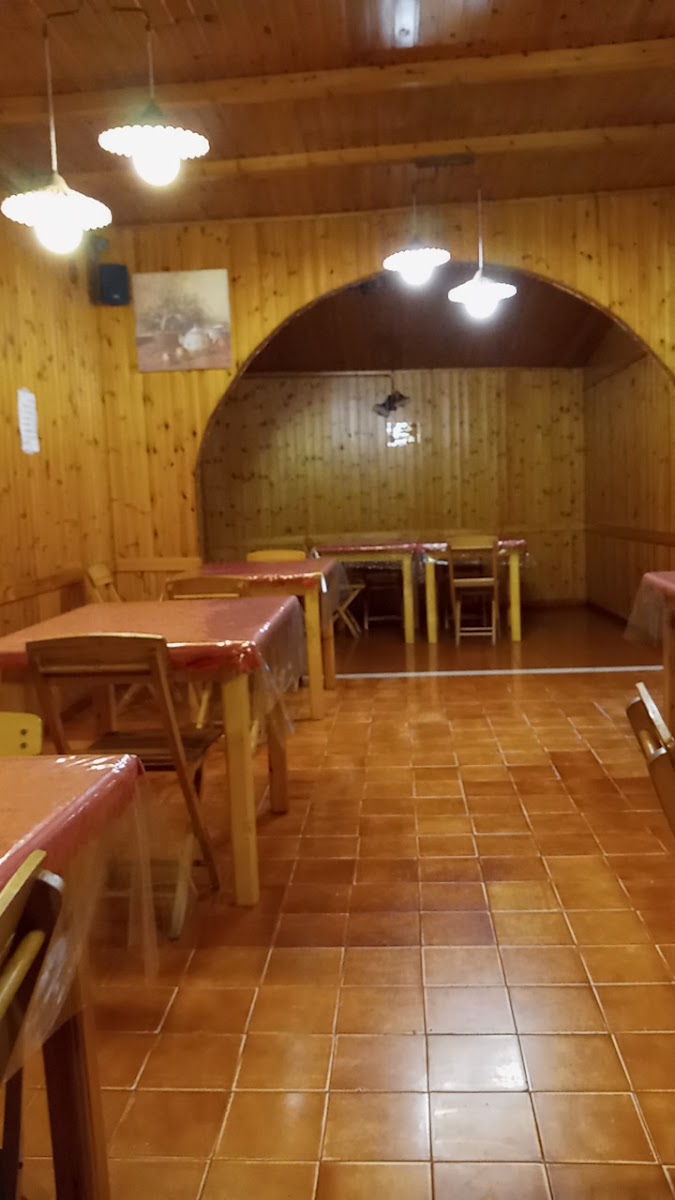
Tenuta Cupelle HOME RESTAURANT offers a menu-driven experience focusing on authentic local dishes served in a casual, quiet setting. Explore selections like traditional Apulian specialties and enjoy healthy options with drinks including wine and coffee.
contrada cupelle, 73059 Ugento LE, Italy
Pizza Restaurant
Discover classic pizza options including the signature potato dough pizza at Bar Pizzeria De Giovanni. Explore a menu featuring simple panini and a variety of drinks in a casual setting near San Marco in Lamis.
Via Convento San Matteo, 71014 San Marco in Lamis FG, Italy
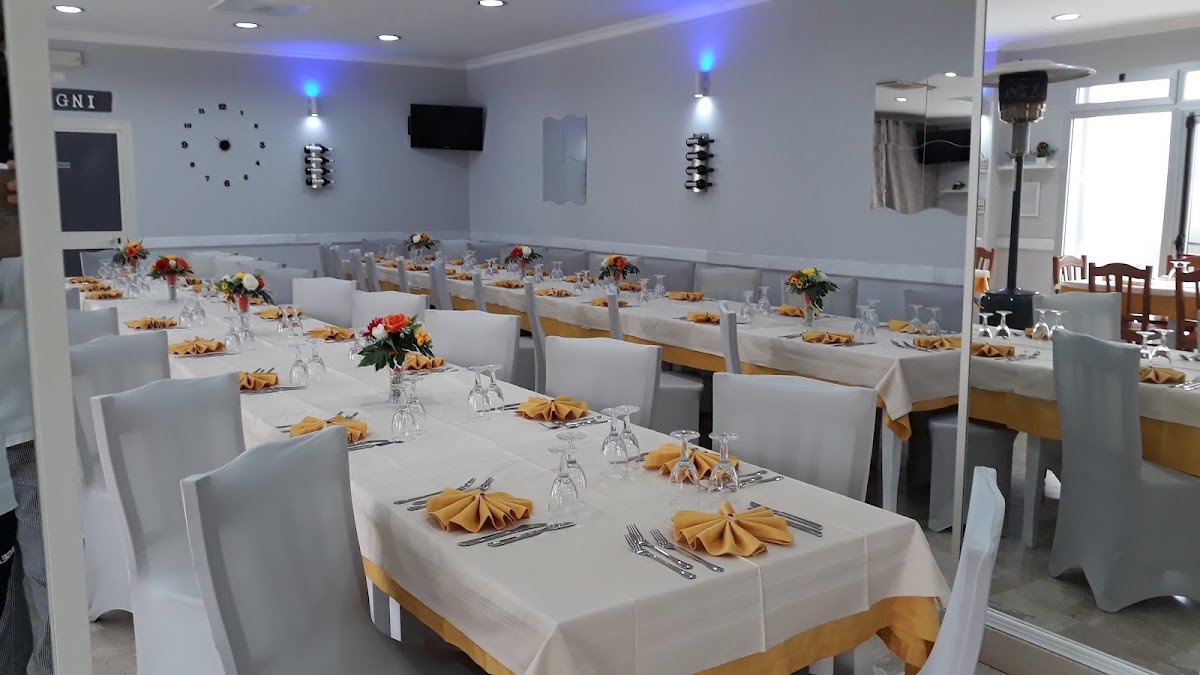
Restaurant
La nuova collinetta di L&M invites you to explore its casual Italian menu featuring pizzas, seafood, and classic local dishes ideal for lunch or dinner. Visitors can enjoy rooftop seating and a varied wine list to complement their meal choices.
Via Provinciale, 91, 87020 Tortora Marina CS, Italy
What sits on every record
Each entry carries the venue's own name, a link through to the menu domain or page where its menu actually lives, and a short descriptive summary drawn from existing data rather than written about it here. Many records also carry factual fields beside that: the type of place, badges, review figures and a street address.
Where a record shows review figures, treat them as one more signal you are free to ignore. They are not a verdict, and Where to Menu never scores a kitchen or ranks one above another.
Every record above is one of several, and scrolling turns up many more entries rather than the one or two closest matches. The next move belongs to you: open the menus that look most promising and read how hard each one leans into your craving on the page.
Once you are inside
A quick checklist for reading any menu with one craving held clearly in mind. Nothing here needs expertise, and none of it takes longer than a minute.
Pass one
Find the dishes related to your craving and notice where they live. Clustered into a section of their own is one kind of answer; scattered as occasional items among everything else is another. Neither is wrong, but the first usually means the kitchen has thought about that idea as a group rather than as a single line it keeps out of habit.
Pass two
Wording gives away commitment. A menu that lists three variations on a similar dish, or offers ways to adapt one, is telling you the kitchen expects people to come in wanting exactly this. That says nothing about whether any version is better than another anywhere else, only that there is room here to be specific.
Pass three
Portion cues and price bands are planning tools. They help you guess how many dishes to order and whether this is a quick lunch or the centre of an evening. They are not promises, and the only firm answers about weight, heat or what a plate actually holds come from the venue if you ask.
Run the three passes and you will know whether this menu genuinely welcomes what you came for, without having to trust a single opinion about the cooking, including ours.
Try again, differently
A list that misses is almost always a wording problem, and wording is the one part of this you control completely.
If a very particular dish name brings back almost nothing, step up one level and use the family it belongs to instead. Menus name the same idea in a dozen ways, and the broader word crosses more of them.
If you searched by how something is cooked, try leading with what is being cooked, or the other way round. Some kitchens write their menus around technique and some around produce, and switching sides moves you into a different set of pages.
A mismatch between your words and the menus is normal and it is not the end of anything. Rephrase, run another pass, and read what comes back. That loop is how you learn to read menus this way, and it gets quicker every time.